About Dimethoxy Dipropyleneglycol
We are a prominent pharmaceutical industry engaged in manufacturing and supplying, offering Dimethoxy Dipropyleneglycol. This is a clear, colourless, viscous liquid which has a slight ether odour. It is also practically non- toxic, and is hygroscopic, and thus lends itself well to commercial and industrial use. The offered chemical is used as solvent for paints, varnishes, inks, strippers, and degreasers. It is also utilised as a coalescing agent for water-based paints and inks where it promotes polymer fusing during the drying process. Furthermore, this Dimethoxy Dipropyleneglycol tested by our quality experts and is made available in diverse packaging options.
Features:
- It is a useful chemical building block in the manufacture of other products
- It is found in floor polish and aluminium polish, leather and textile dyes, rust removers, and pescticides where it acts as a stabiliser.
- It is also found in ceiling and wall paints, and in many common cleaners including glass and surface cleaners
Quick Details
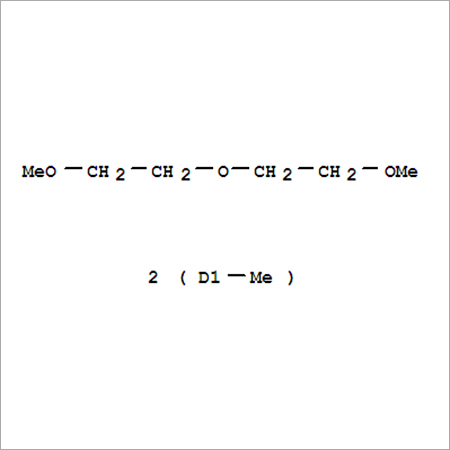
- ProName: Dimethoxy dipropyleneglycol
- CasNo: 111109-77-4
- Molecular Formula: C8H18O3
- LimitNum: 0
Superiority
Product name Dipropylene glycol dimethyl ether Molecular formula C8H13O3 Molecular weight 162 CAS NO. 111109-77-4 Prop.
Details
- Product name Dipropylene glycol dimethyl ether
- Molecular formula C8H13O3
- Molecular weight 162
- CAS NO. 111109-77-4
Properties
- Item: specification
- Purity(QC): 99.0
- Moisture: 0.10
- Acidity (as HAC ): 0.01
- Peroxide (as H2O2 ): 0.005
- Appearance: colorless transparent liquid
Uses Dipropylene glycol dimethyl ether is one kind of low-toxic, molding and hydrophilic non-ion solvent. It can be used in water-based and curing coating, drug, pesticide. Widely sued in detergent, flux, reactive solvent, additive and wetting solvent.
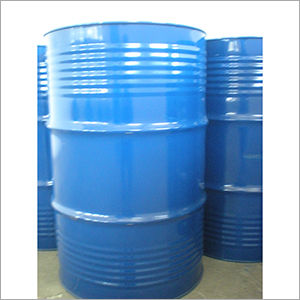
Packing 180kg/double-sealed metal pail.
Versatile Industrial ApplicationsDimethoxy Dipropyleneglycol finds wide use across industries due to its excellent solvent properties and compatibility with different chemicals. It serves as an essential ingredient in manufacturing processes where a water-soluble, inert, and transparent liquid is required.
Safe Storage and HandlingFor optimal performance, this product should be stored at room temperature away from direct sunlight and incompatible substances. Its liquid form facilitates easy handling, dosing, and blending into a variety of industrial formulations.
FAQ's of Dimethoxy Dipropyleneglycol:
Q: How is Dimethoxy Dipropyleneglycol typically used in industrial applications?
A: Dimethoxy Dipropyleneglycol is predominantly used as a solvent, chemical intermediate, or additive in various manufacturing processes due to its water solubility and stability. It facilitates mixing or formulation steps in the production of coatings, inks, and specialized products.
Q: What are the benefits of choosing Dimethoxy Dipropyleneglycol for industrial processes?
A: This compound offers several advantages, including excellent miscibility with water, low volatility, and a transparent appearance. These features make it ideal for formulations where clarity and stability are crucial.
Q: Where is Dimethoxy Dipropyleneglycol commonly sourced from?
A: This product is manufactured, supplied, exported, and traded primarily by leading chemical companies based in China, ensuring broad availability and competitive pricing for industrial consumers.
Q: When should Dimethoxy Dipropyleneglycol be stored at room temperature?
A: It is recommended to store the chemical at room temperature at all times. This storage condition helps maintain its liquid state and preserves its chemical integrity for extended periods.
Q: What is the process for incorporating Dimethoxy Dipropyleneglycol into a manufacturing setup?
A: Integration usually involves direct addition to aqueous or solvent-based formulations. Due to its liquid, transparent form and water solubility, it blends easily without the need for vigorous agitation or specialized equipment.
Q: Is there any special handling required for Dimethoxy Dipropyleneglycol?
A: Standard industrial safety practices are advised. While the chemical is stable at room temperature, appropriate protective equipment and proper ventilation are recommended during handling.






 Send Inquiry


 Send Inquiry
 Send Inquiry
 Call Me Free
 English
 Spanish
 French
 German
 Italian
 Chinese (Simplified)
 Japanese
 Korean
 Arabic
 Portuguese